DV Capital Corporation
Working Farm & Hobby Farm Mortgages.
Private Mortgage Lender & Broker Advisory Services.
Serving Ontario & British Columbia.
“Common-Sense Farm Lending! “
Hobby Farm Owner
-Ayr, Ontario
What Is A Hobby Farm?
Mortgages for Hobby Farms.
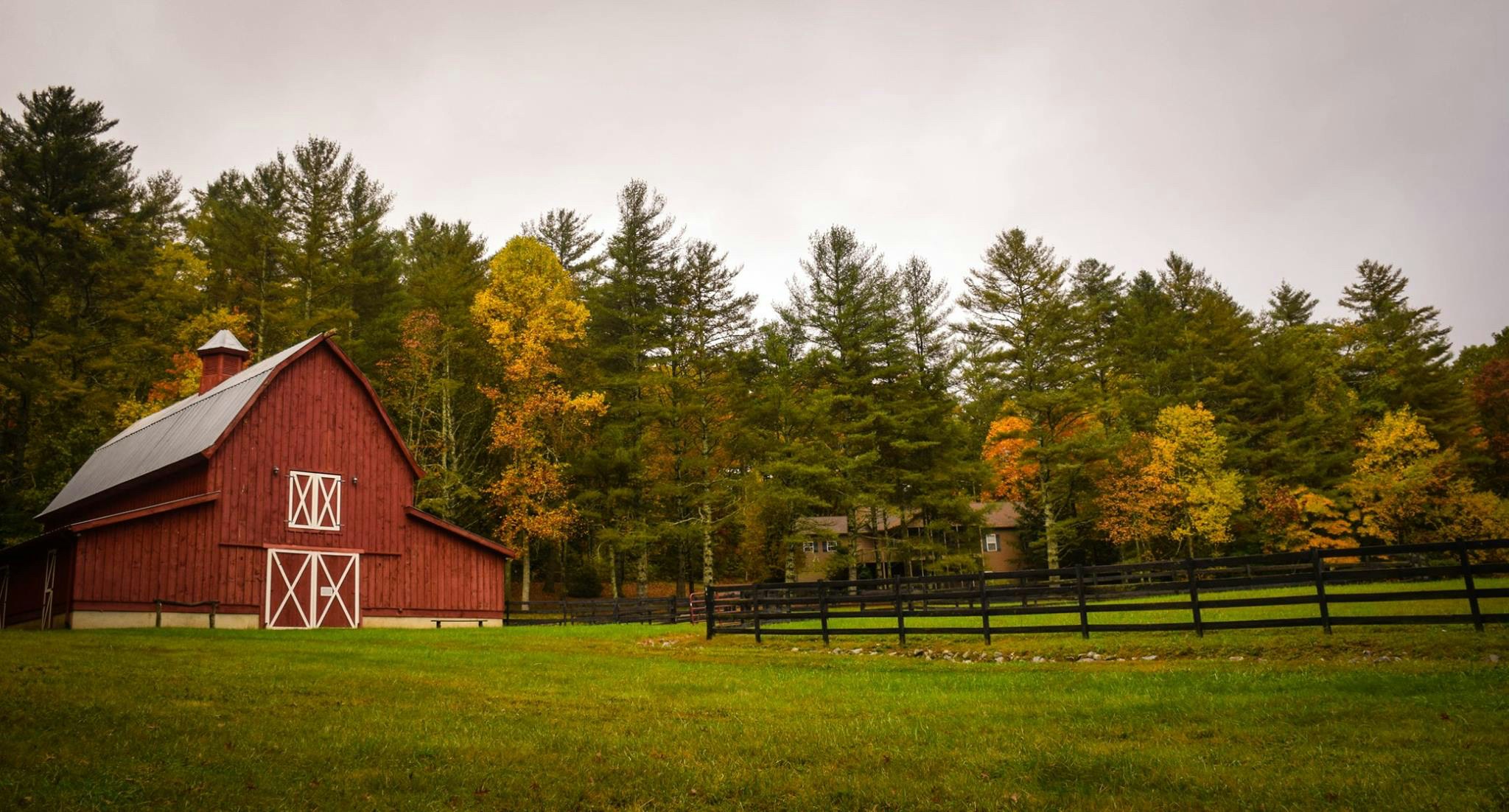
A hobby farm is a rural residential property primarily owned for personal enjoyment and lifestyle purposes, rather than full-scale agricultural income. In Ontario and British Columbia, hobby farms often include acreage suitable for raising animals, growing crops, or maintaining orchards and vineyards, or simply enjoying open space and privacy, without relying on farming as a primary source of income. We are seeing a growing trend of homeowners relocating from major urban centres such as Toronto, the GTA, Vancouver, and the Lower Mainland to rural and semi-rural areas in pursuit of a quieter lifestyle, greater land ownership, and a closer connection to nature. Many hobby farms offer barns, outbuildings, workshops, and zoning that supports small-scale agricultural use. Financing a hobby farm can be more complex than a standard residential mortgage. Lenders often assess property size, zoning, agricultural use, income reliance, and location differently than they would for a traditional home.
What Is a Working farm?
Mortgages for working farms.
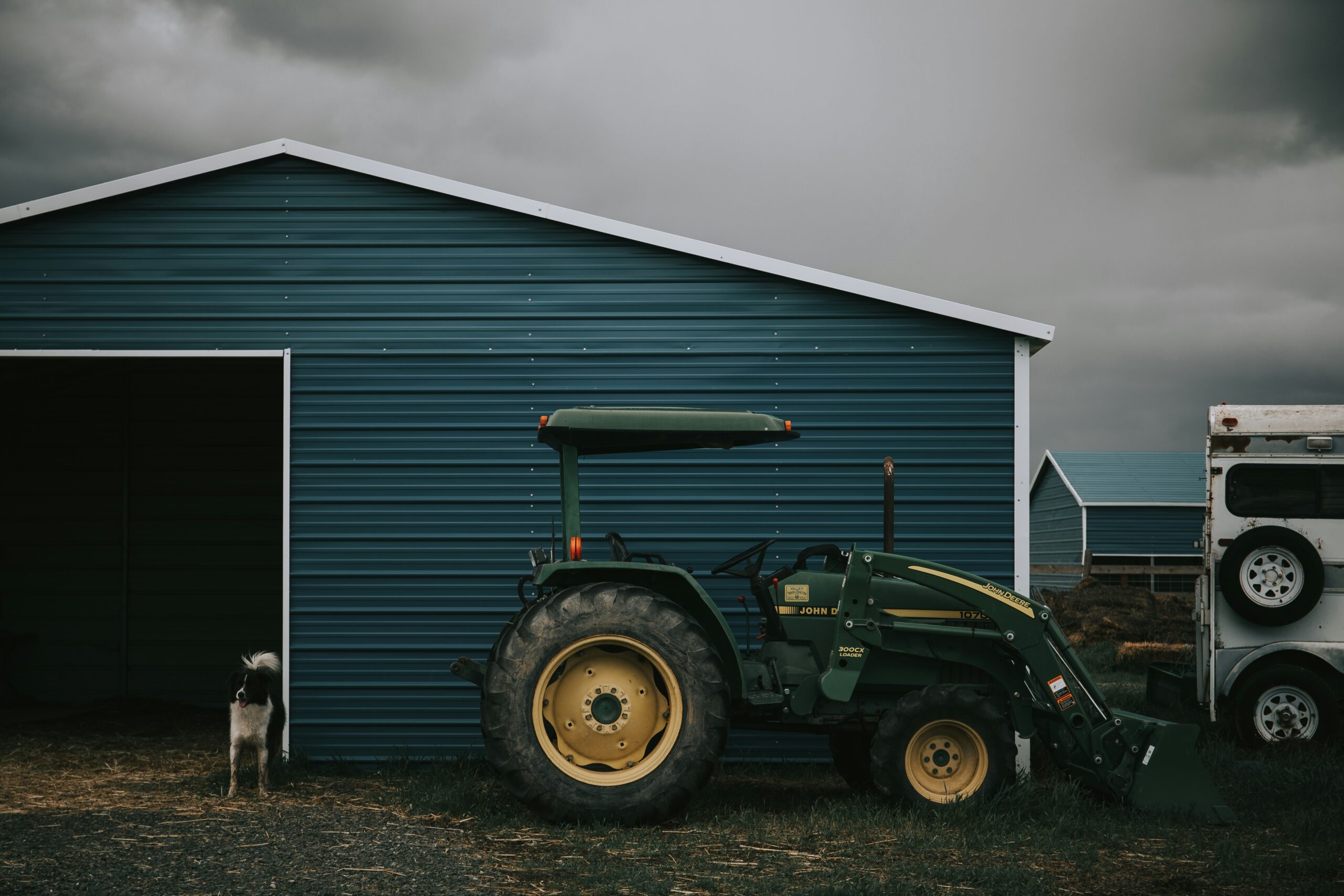
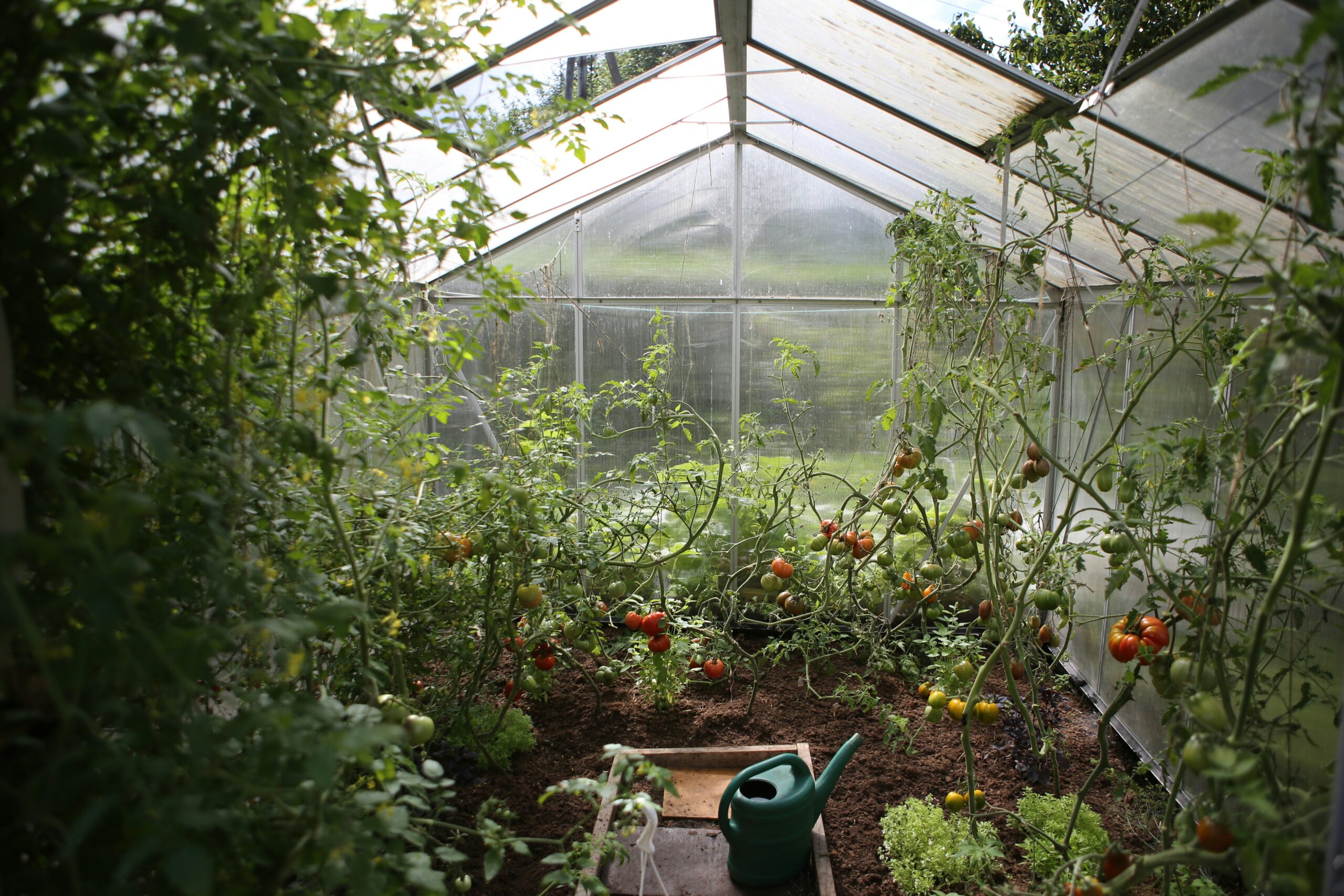
A working farm is a property that is actively operated as an income-producing agricultural business. Unlike a hobby farm, a working farm relies on farming activities as a primary or meaningful source of revenue. In Ontario and British Columbia, working farms may include crop production, livestock operations, dairy farms, poultry barns, greenhouses, vineyards, orchards, or mixed agricultural use. Working farms are typically larger in scale and are zoned specifically for agricultural or farm use, often qualifying for provincial farm tax programs or agricultural classifications. Income generated from the farm, whether through product sales, supply contracts, or long-term agricultural leases, is a central consideration when evaluating these properties. From a financing perspective, working farms are assessed differently than residential or hobby farm properties. Lenders look closely at historical farm income, operating expenses, land productivity, farm management experience, zoning compliance, and environmental considerations. Depending on the size and complexity of the operation, financing may involve agricultural lenders, commercial mortgage products, or hybrid residential-agricultural structures. Because underwriting criteria for working farms can vary significantly between lenders, provinces, and property types, understanding how a farm is classified is an important first step when exploring working farm financing in Ontario or British Columbia.

Working Farm & Hobby Farm Financing.
Private Mortgage Lenders for Farms.
Individuals seeking financing for working farms or hobby farms often encounter challenges when dealing with traditional bank lenders. This is because rural and agricultural properties frequently fall between standard residential mortgage guidelines and agricultural lending criteria, making them difficult for banks to underwrite. For hobby farms, lenders may struggle to classify the property as purely residential due to factors such as property zoning, acreage size, rural location, outbuildings, or mixed-use characteristics. At the same time, the property may not generate sufficient agricultural income to qualify under a bank’s agricultural or commercial lending programs. Similarly, working farms introduce additional complexity. Lenders may assess farm income reliability, land use, operational scale, borrower experience, and zoning compliance, which can vary widely depending on the type of agricultural operation and province. In many cases, traditional banks will only lend based on the value of the residential dwelling and a limited portion of the land, often restricting their valuation to approximately 5 to 10 acres. Additional acreage, barns, workshops, and agricultural outbuildings, despite holding significant market value, may not be fully recognized. Some lenders may decline financing altogether once acreage thresholds are exceeded. These constraints create a financing gap for rural property owners and purchasers in Ontario and British Columbia. As a result, alternative, agricultural, and specialty mortgage lenders are often required to structure financing solutions that properly reflect the value, use, and characteristics of working farms and hobby farms.
Private Farm Mortgages & Alternative Lending for Hobby and Working Farms.
Private Lenders for Farm Mortgages.
For many hobby farm and working farm buyers in Ontario and British Columbia, traditional banks are simply not an option. This is where private and alternative farm lenders play a critical role. Private lenders can evaluate the full property value, including additional acreage, barns, and outbuildings, and provide financing solutions that reflect both the lifestyle and operational potential of the property. Private mortgage farm lenders often offer flexible terms, faster approvals, and creative structures that accommodate unique property types, zoning restrictions, or non-traditional income profiles. This flexibility ensures that borrowers are not limited by standard bank policies and can secure financing that aligns with their goals.
At DV Capital, we specialize in connecting borrowers with private and alternative lenders who understand the nuances of hobby farms and working farms. Our team can guide you through the process, structure a mortgage solution tailored to your property, and help you achieve your rural lifestyle or agricultural business objectives. If you are exploring a hobby farm or working farm purchase, or need financing for an existing property, contact DV Capital today to discuss private mortgage options that fit your needs.